Search Engine Optimization (SEO) is a critical component for any ecommerce business looking to increase visibility, attract more customers, and drive sales. In this comprehensive guide to SEO for ecommerce, we will explore essential strategies and best practices to help you optimize your online store and achieve better search engine rankings.
In today’s digital landscape, having a strong online presence is vital for ecommerce success. A comprehensive guide to SEO for ecommerce can equip you with the tools and knowledge needed to boost your website’s visibility on search engines, attract targeted traffic, and ultimately increase sales. Let’s dive into the key aspects of SEO that every ecommerce business should focus on.
Keyword Research
Keyword research is the foundation of any successful SEO strategy. It involves identifying the search terms your potential customers use when looking for products similar to yours. Here’s how you can conduct effective keyword research:

- Use Keyword Research Tools: Tools like Google Keyword Planner, Ahrefs, and SEMrush can help you find relevant keywords with high search volume and low competition.
- Analyze Competitors: Look at the keywords your competitors are ranking for and identify opportunities to target similar or related terms.
- Focus on Long-Tail Keywords: Long-tail keywords are specific and less competitive, making it easier to rank for them and attract highly targeted traffic.
On-Page SEO
On-page SEO refers to optimizing individual web pages to rank higher and earn more relevant traffic. Here are some key elements to focus on:
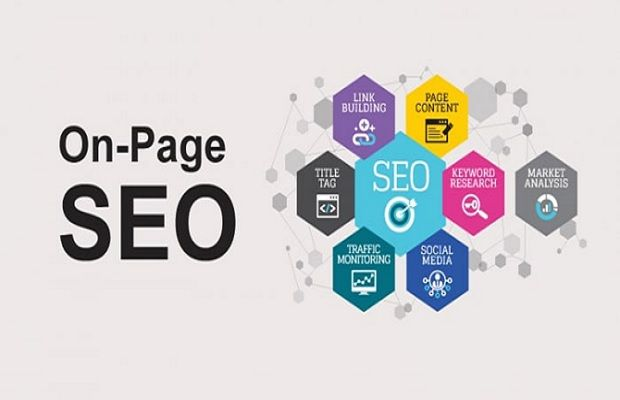
- Title Tags and Meta Descriptions: Craft compelling and keyword-rich title tags and meta descriptions that accurately describe your product pages.
- Header Tags: Use header tags (H1, H2, H3) to structure your content and make it easier for search engines to understand the hierarchy of your page.
- Product Descriptions: Write unique, detailed, and keyword-optimized product descriptions that provide value to your customers.
- URL Structure: Use clean and descriptive URLs that include your target keywords.
- Image Optimization: Optimize images by using descriptive file names, alt text, and compressing them to improve page load times.
Technical SEO
Technical SEO ensures that your website is structured in a way that search engines can easily crawl and index it. Key technical SEO elements include:
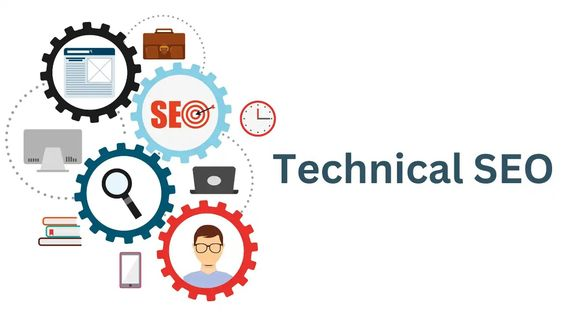
- Site Speed: A fast-loading website enhances user experience and is favored by search engines. Use tools like Google Page Speed Insights to identify and fix speed issues.
- Mobile-Friendliness: Ensure your website is responsive and provides a seamless experience across all devices.
- XML Sitemaps: Submit an XML sitemap to search engines to help them understand your website’s structure and index your pages.
- Robots.txt: Use the robots.txt file to control which pages search engines can and cannot crawl.
Content Marketing
Content marketing plays a crucial role in SEO for ecommerce. By creating valuable and engaging content, you can attract and retain customers while boosting your search engine rankings. Here’s how to do it:
- Blog Posts: Regularly publish blog posts that address common questions, provide tips, and highlight industry trends related to your products.
- Product Guides and Tutorials: Create in-depth guides and tutorials that help customers understand how to use your products effectively.
- User-Generated Content: Encourage customers to leave reviews and share their experiences. User-generated content adds credibility and improves your website’s SEO.
Link Building
Link building involves acquiring high-quality backlinks from reputable websites. Backlinks signal to search engines that your site is authoritative and trustworthy. Effective link building strategies include:
- Guest Blogging: Write guest posts for industry-related blogs and include links back to your site.
- Influencer Partnerships: Collaborate with influencers who can promote your products and link to your website.
- Broken Link Building: Identify broken links on other websites and suggest your content as a replacement.
Local SEO
If your ecommerce business has a physical presence, local SEO is essential for attracting nearby customers. Key local SEO strategies include:
- Google My Business: Create and optimize your Google My Business profile with accurate information, images, and customer reviews.
- Local Keywords: Incorporate local keywords into your website content, such as city or region names.
- NAP Consistency: Ensure your business name, address, and phone number (NAP) are consistent across all online directories.
Analytics and Monitoring
Monitoring your SEO performance is crucial to understand what’s working and what needs improvement. Use tools like Google Analytics and Google Search Console to track:

- Organic Traffic: Measure the amount of traffic coming from search engines.
- Keyword Rankings: Monitor your rankings for target keywords.
- Bounce Rate and Dwell Time: Analyze user engagement metrics to identify areas for improvement.
In this comprehensive guide to SEO for ecommerce, we’ve covered essential strategies to help you optimize your online store and achieve better search engine rankings. By implementing these SEO practices, you can increase your website’s visibility, attract more targeted traffic, and ultimately drive more sales. Remember, SEO is an ongoing process, so continuously monitor and adjust your strategies to stay ahead of the competition.