In the lifeblood of any business, inventory systems lies at its core. It keeps your shelves filled, your assembly lines running, and your customers satisfied. However, managing inventory effectively can be a complex task. You must balance having enough on hand with the cost of holding excess stock.
This is precisely where Inventory Management Systems (IMS) come in. These software solutions streamline the entire inventory management process. They cover purchasing, receiving, storage, fulfillment, and reordering. In this in-depth exploration, we’ll delve into IMS, exploring its functionalities, benefits, different types, and how to choose the right system for your business.
Understanding Inventory Management: The Bigger Picture
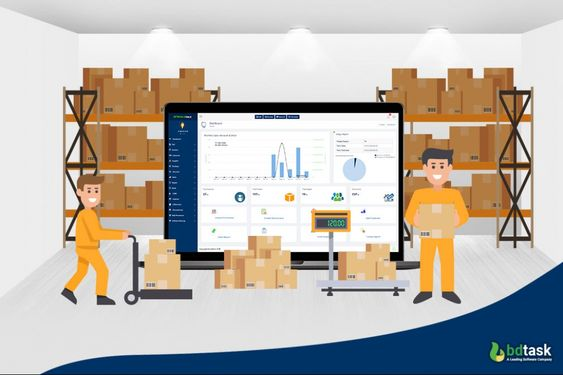
Before diving into IMS, let’s define inventory management. It’s the process of planning, organizing, and controlling the flow of goods. This includes:
Demand Forecasting: Predicting how much inventory you’ll need based on historical data, trends, and marketing campaigns. Accurate forecasting helps you avoid stockouts and optimize inventory levels.
Stock Control: Tracking the quantity and location of your inventory in real-time. This ensures you always know what you have on hand and where it’s located.
Purchasing Management: Deciding what and how much to order from suppliers. Effective purchasing management helps you minimize costs and ensure you have the right products in stock.
Order Fulfillment: Picking, packing, and shipping orders efficiently to meet customer expectations. Smooth order fulfillment keeps your customers happy and coming back for more.
Inventory Optimization: Balancing enough stock to avoid stockouts while minimizing holding costs. This is key to maintaining customer satisfaction and financial efficiency.
The Power of Inventory Management Systems
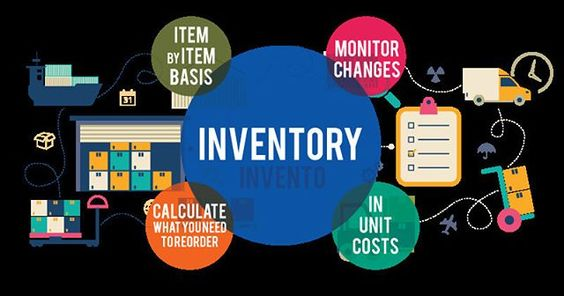
Manual inventory management can quickly become cumbersome. It is especially challenging for businesses with large, dynamic inventories. Here’s where Inventory Management Systems (IMS) shine. They offer many functionalities to streamline these processes.
Centralized Inventory Data: An Inventory Management System acts as a single source of truth for all your inventory data. It provides real-time visibility into stock levels across different locations. This eliminates the need for manual data entry and ensures everyone has access to the most up-to-date information.
Automated Reordering: Set up automated reorder points with an Inventory Management System to ensure you never run out of stock. The system can automatically generate purchase orders based on pre-defined parameters. This prevents stockouts and helps you maintain optimal inventory levels.
Barcode Scanning: Utilize barcode scanners to quickly and accurately track inventory movements within your Inventory Management System. Barcode scanning significantly improves the efficiency and accuracy of your inventory management processes.
Sales & Inventory Reports: Generate comprehensive reports on sales trends, inventory turnover, and identify slow-moving or high-demand items using your Inventory Management System. These reports provide valuable insights for informed decisions about purchasing, pricing, and product promotions.
Integration with Other Systems: Modern Inventory Management Systems often integrate with other business-critical systems like accounting software, e-commerce platforms, and CRM software. This integration streamlines your workflows and eliminates the need for manual data entry across different systems.
Benefits of Implementing an Inventory Management Software
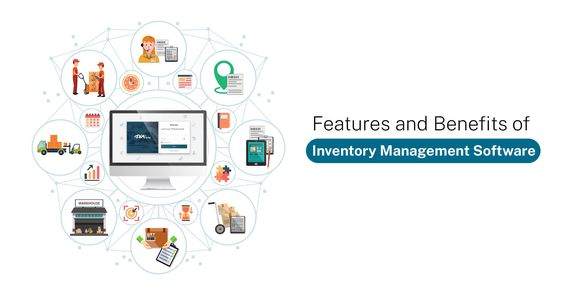
The advantages of using an Inventory Management System extend far beyond simply keeping track of your stock. Here are some key benefits to consider:
Reduced Stockouts: By ensuring you have the right amount of inventory on hand with an Inventory Management System, you can minimize the risk of stockouts. This leads to happier customers and fewer lost sales. It improves customer satisfaction and boosts your bottom line.
Improved Cash Flow: By optimizing inventory levels through an Inventory Management System, you can tie up less capital in holding costs. This frees up cash for other business needs. Additionally, it can improve your overall financial health and give you more flexibility to invest in growth initiatives.
Enhanced Efficiency: Automating tasks like reordering and generating reports with an Inventory Management System saves valuable time and resources. This allows your employees to focus on higher-value tasks. Increased productivity and overall business efficiency result from this.
Better Decision Making: Data-driven insights from Inventory Management System reports empower you to make informed decisions about purchasing, pricing, and product promotions. This can lead to increased profitability, as you can optimize your pricing strategies and product selection based on actual sales data.
Improved Inventory Accuracy: Real-time inventory data from an Inventory Management System minimizes errors and ensures accurate stock levels. This ultimately contributes to a smoother, more reliable operation.